█
▓
▒
░

▓
▒
░
This is "Onslaught" - the title track from the forthcoming soundtrack for the new A24 Adam Wingard film of the same name, Onslaught. It's dark, pulsing and has a sinister mechanical vibe to it that reminds me of several NIN tracks. It also marks the first time Matthew Pusti, aka Makeup and Vanity Set, is providing the soundtrack for a full-length film of this size and caliber.
I've been a fan of MAVS for some 19 years, probably going back as far his chiptune remix of The Protomen from 2007. He's released several soundtracks in those two decades for various short films, game soundtracks, podcasts and indies - 88:88, HIT TV, Brigador (lots of Brigador), Jogger, Trackless, Mather, Foyer, Overpass, Radio Rental, To Live and Die in LA, A Good Woman is Hard to Find, The New Way Program, and loads more. He even conceptualized music for Wingard's Godzilla and wrote a bunch of songs for Stranger Things that, ultimately, weren't used. MAVS resume is massive and I'm so pleased to see him finally getting this opportunity.
Obviously with a body of work this huge, Pusti doesn't need a major film to validate his songwriting skills but, as a fan, I hope this brings an even larger group of folks to discover two decades of incredible songs! And if it leads to even more MAVS songs for more movies, that's a real bonus for us all.
I've been a fan of MAVS for some 19 years, probably going back as far his chiptune remix of The Protomen from 2007. He's released several soundtracks in those two decades for various short films, game soundtracks, podcasts and indies - 88:88, HIT TV, Brigador (lots of Brigador), Jogger, Trackless, Mather, Foyer, Overpass, Radio Rental, To Live and Die in LA, A Good Woman is Hard to Find, The New Way Program, and loads more. He even conceptualized music for Wingard's Godzilla and wrote a bunch of songs for Stranger Things that, ultimately, weren't used. MAVS resume is massive and I'm so pleased to see him finally getting this opportunity.
Obviously with a body of work this huge, Pusti doesn't need a major film to validate his songwriting skills but, as a fan, I hope this brings an even larger group of folks to discover two decades of incredible songs! And if it leads to even more MAVS songs for more movies, that's a real bonus for us all.
How To with John Wilson is a legitimate and absolute gem of a show. If you've not seen it, queue it up as soon as you can. Once you do, you'll understand why it's so exciting to see the trailer for A History of Concrete. A movie that will surely be the most interesting movie about concrete that we'll see this decade, if not this century.
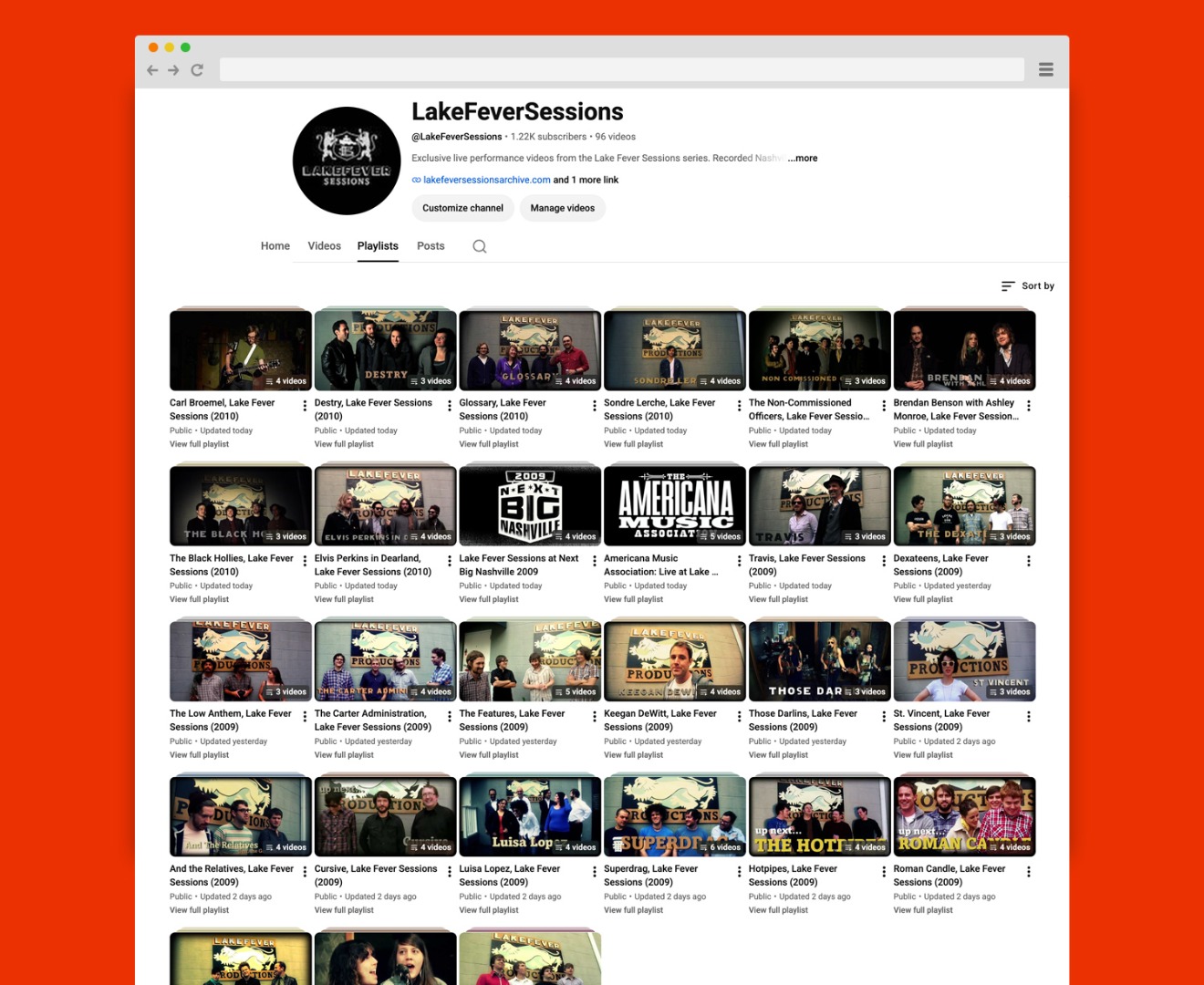
Back in 2009, I was part of a project in Nashville called The Lake Fever Sessions. Local and touring bands would come by a studio - aptly named Lake Fever Productions - and record 3-4 songs. Unsurprisingly, I made the website.
It fizzled out by 2010 and the website lapsed years later. In 2024, l bought a new domain and revived it. Most of the videos were still hosted on the same, original, Vimeo account and I managed to have a backup of the code. I thought that would be the happy ending but then Vimeo was purchased by Bending Spoons. Shortly after that acquisition, all the videos stopped working on the site.
So, now I've revived the revival! The Lake Fever Sessions Archive site is now powered by YouTube videos. These were all sourced from the original Vimeo account and should have all the same metadata you see on the official site. I am happy to have a local copy of the archive now and hope that the YouTube audience will lead to a lot of new eyeballs seeing and hearing the great work the team did. It's been 17 years since most of these were released and my involvement was only the website - but I still feel proud to have been involved. Click around, enjoy!
It fizzled out by 2010 and the website lapsed years later. In 2024, l bought a new domain and revived it. Most of the videos were still hosted on the same, original, Vimeo account and I managed to have a backup of the code. I thought that would be the happy ending but then Vimeo was purchased by Bending Spoons. Shortly after that acquisition, all the videos stopped working on the site.
So, now I've revived the revival! The Lake Fever Sessions Archive site is now powered by YouTube videos. These were all sourced from the original Vimeo account and should have all the same metadata you see on the official site. I am happy to have a local copy of the archive now and hope that the YouTube audience will lead to a lot of new eyeballs seeing and hearing the great work the team did. It's been 17 years since most of these were released and my involvement was only the website - but I still feel proud to have been involved. Click around, enjoy!
Jamelle Bouie is a NY Times columnist and previously served as chief political correspondent for Slate. He's also a good YouTuber! I only recently learned this but genuinely enjoy the near daily Takes.
During the week, the content veers politically - What Democrats can learn from Mitch McConnell or The Assassination of the Voting Rights Act by the Coward John Roberts (and Sam Alito) for example. But the weekend Takes tend to veer a bit more casual - Camera Corner - Leica M4-P or How to make a good Star Wars movie for once. Great balance, solid insights. Do subscribe.
During the week, the content veers politically - What Democrats can learn from Mitch McConnell or The Assassination of the Voting Rights Act by the Coward John Roberts (and Sam Alito) for example. But the weekend Takes tend to veer a bit more casual - Camera Corner - Leica M4-P or How to make a good Star Wars movie for once. Great balance, solid insights. Do subscribe.
I had the absolute pleasure of seeing a screening of It’s a Wonderful Night of the Living Dead during the Defy Film Fest this weekend. It's an absolutely perfect fusion of It's a Wonderful Life and Night of the Living Dead, two films you would not think would mash together well but at the hands of the directing duo Bell Brothers; it's masterful.
Of course telling you to watch a short film that you can only see at a film fest is a bit of a dead end for you, dear reader. Fortunately, I am happy to direct you to the Bell Brothers YouTube contains a myriad of treats. I'd start here and if that's not your flavor, try this or this. Okay, just watch all of it.
Of course telling you to watch a short film that you can only see at a film fest is a bit of a dead end for you, dear reader. Fortunately, I am happy to direct you to the Bell Brothers YouTube contains a myriad of treats. I'd start here and if that's not your flavor, try this or this. Okay, just watch all of it.
Maybe once a year I remember that the band TV Torso existed and aren't available on streaming anywhere. Their album Status Quo Vadis came out in 2010 and it's impeccable - perfect, even. The same for 2012's Clear Lake Stranger. Matt Oliver's voice, songwriting, production decisions, all of it - just right up my alley and worthy of heavy rotation.
I normally don't revisit the band beyond the official albums but this year I finally started snooping around for other recordings or live performances. This 2011 Paste Concert from SXSW is a real treat, especially for someone like myself that never caught them live.
I normally don't revisit the band beyond the official albums but this year I finally started snooping around for other recordings or live performances. This 2011 Paste Concert from SXSW is a real treat, especially for someone like myself that never caught them live.
I realize how archaic this makes me but I still maintain a local library of Music. I am also a YouTube Music subscriber but I have a lot of purchased music that often lives outside of streaming and I need a way to enjoy it. Up until recently I have been an iTunes user; somewhat begrudingly but it worked well enough. Until it didn't. Once it switched from being iTunes to "Music" the app just slowly fell apart. Most recently, it just wouldn't make playlists anymore. Except it is making playlists, it's just not updating the side drawer to show them. I ended up trying a myriad of fixes to overcome this, even going as far as formatting an old ExFat drive to the preferred APFS; hoping it was a weird external drive permissions error. Turns out, it's a known bug and Apple just hasn't gotten around to it yet. Enshittification comes for everything.
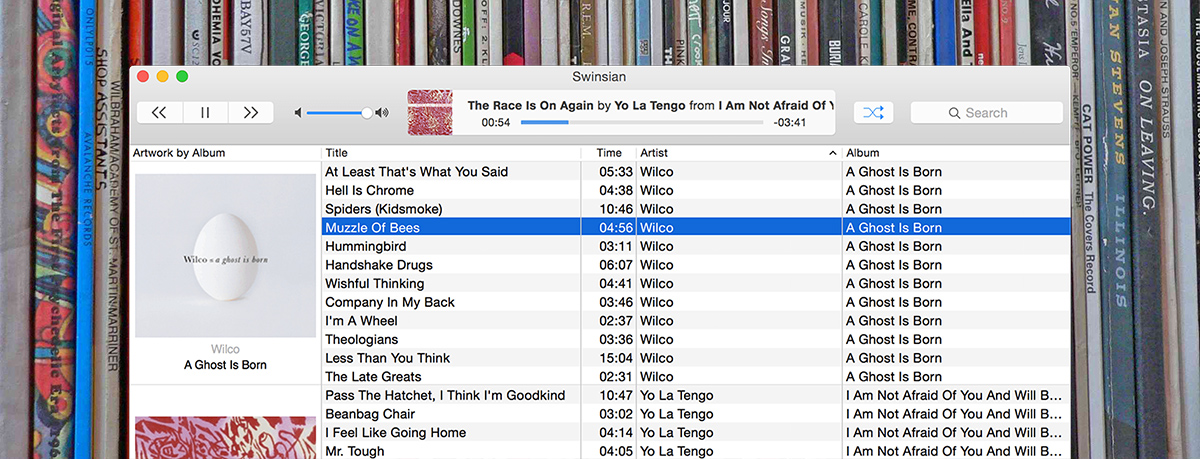
In my quest to find an alternative, many people suggested Navidrome or Plexamp. Both look great but both require a permanently connected drive, which is not my use case. I have an SSD drive that is only occasionally connected, so I need something less network based. I landed on Swinsian, a robust music player that seems to take on the job of being a proper iTunes replacement.
My positive review is that it is incredibly fast, handles metadata unbelievably quickly and can present a giant library of music efficiently. It can make new playlists and actually show them. From a simple perspective of music organization and playback, it's checking all the boxes. It's also maintaining the same file structure as iTunes and can export to an XML format that is easy to import back into Music, so you're not locked into a proprietary format.
In an ideal world, it would have a little more visual personality. I found its plainness a little off-putting at first but the more I use it, the more I like it. It's also a little concerning that the blog hasn't been updated in a year but, hey, who has time to blog, amirite?*
Long story short, I think I've finally abandoned ship on iTunes and have found a worthwhile alternative. This may inspire me to figure out a network connected solution tho... this single SSD drive with my lifetime library on it is maybe a little precarious!
* Oh, also, I wish it wasn't named Swinsian. Maybe I'm burying the lede down here but I really hate the name. Nice app, clever name but not memorable or meaningful.
In my quest to find an alternative, many people suggested Navidrome or Plexamp. Both look great but both require a permanently connected drive, which is not my use case. I have an SSD drive that is only occasionally connected, so I need something less network based. I landed on Swinsian, a robust music player that seems to take on the job of being a proper iTunes replacement.
My positive review is that it is incredibly fast, handles metadata unbelievably quickly and can present a giant library of music efficiently. It can make new playlists and actually show them. From a simple perspective of music organization and playback, it's checking all the boxes. It's also maintaining the same file structure as iTunes and can export to an XML format that is easy to import back into Music, so you're not locked into a proprietary format.
In an ideal world, it would have a little more visual personality. I found its plainness a little off-putting at first but the more I use it, the more I like it. It's also a little concerning that the blog hasn't been updated in a year but, hey, who has time to blog, amirite?*
Long story short, I think I've finally abandoned ship on iTunes and have found a worthwhile alternative. This may inspire me to figure out a network connected solution tho... this single SSD drive with my lifetime library on it is maybe a little precarious!
* Oh, also, I wish it wasn't named Swinsian. Maybe I'm burying the lede down here but I really hate the name. Nice app, clever name but not memorable or meaningful.
I grew up on ASCII Art (and ANSi Art). There's something wonderfully rudimentary about being able to draw with just the characters on your keyboard. This walkable ASCII Cyberpunk City blows that rudimentary idea out of the water and makes a fully immersive environment using Javascript and Canvas:
Fascinating experience and I hope Grow Now! Games makes it into something that can be used in the browser. I'd walk around for awhile.
via Zhila.
Every frame, the engine raycasts from the camera to work out perspective, depth, collisions, and what should be visible, then draws it all using letters, numbers, and symbols.Watch the entire video and really let the 3Dness of it all sink in. There are semi-translucent trees that go past but if you pause on a single frame - are they really semi-translucent? Or is that just a clever trick of how the color is expressed? Maybe a bit of both.
Fascinating experience and I hope Grow Now! Games makes it into something that can be used in the browser. I'd walk around for awhile.
via Zhila.
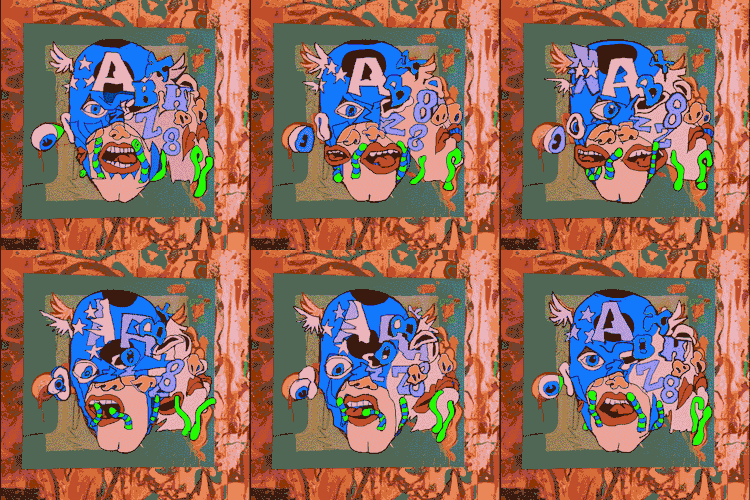
Cover art by Dax Norman. Hard to pick from everything on Giphy, go take an enjoyable scroll through that one. On to some delightful distractions for you...
- Jamiroquai Sony MD, 1996 - forget that Beefeater remake, immerse yourself in the insanity of Sony MiniDisc commercials from 1996. There's so many of them. They're all ridiculous.
- QVC Debates the Moon - there's a lot going on here and all of it is maddening.
- Punk Compilation - the acting is phenomenally cringe but the actual song selections are baffling! Literally no one involved with this had any idea what these words meant.
- The Slipnutz Open for Slipknot - a vintage Conan piece. Completely stupid but a helluva payoff at the end.
- Freak on a Leash with Orchestra - just need you to know this exists. And, yes, there is an abrupt cut at 2:30 for the gibberish scating.
- If Other Metallica Songs Had the St. Anger Snare - I have zero opinion about Metallica's album St. Anger or what the snare sounds like but I really enjoy that someone made this.
- Highest Jumping Dog in Ontario - this is what the Internet was made for.
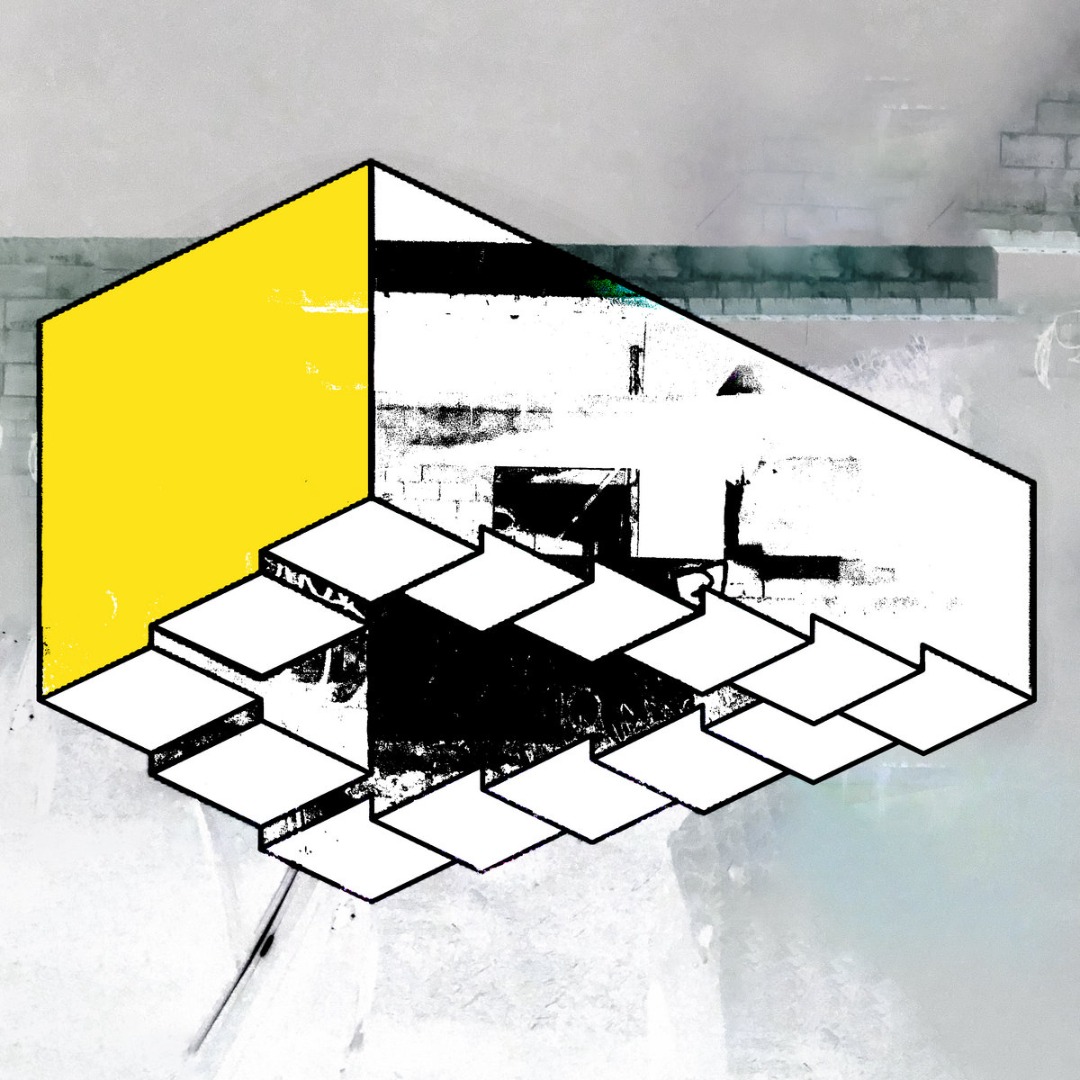
Last Friday, yk Records release a collaborative EP from Coupler (Ryan Norris) and sugar sk*-*lls (Ben Marcantel) entitled New Impossible Object. These two became friends in college some two decades ago and have been working together in some capacity ever since. Norris told me, "Our minds tend to move along parallel tracks, sometimes crossing, frequently converging, but generally moving in similar directions, two celestial objects careening through space while orbiting one another.” That's the kind of person you want to find in college!
Obviously I'm biased on the enjoyment levels of the release but everything about the release gives me the same vibes as reading a surrealist novel. There's a book called Kangaroo Notebook by Kobo Abe that starts with a man finding radishes growing out of his legs before he descends on a gurney into hell. It's not scary or horrific but it is otherworldly and offbalancing. It's also mesmerizing. I get those vibes from this EP. It's a descent into the surreal (for me). Maybe Kafka or Stephen King are better examples but all I think of is Kangaroo Notebook.
I love it when any two artists find a way to make something unique and these two have been finding a way to do exactly that for years. Give it a listen.
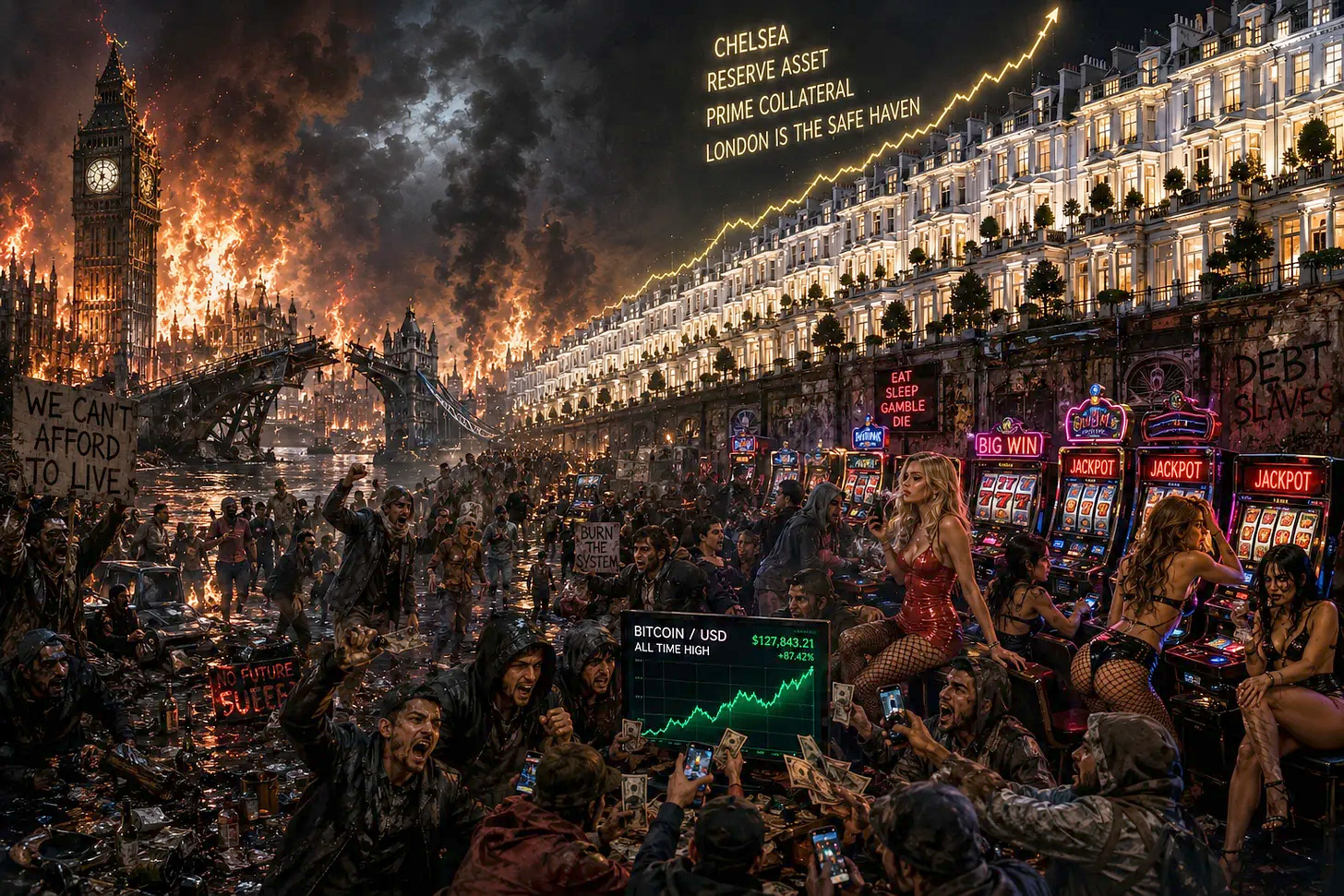
Okay, first, I hate the image associated with this one. It's clearly AI slop but it's what the author used and it does frame the content well. Despite that, I understand how the aesthetic can undermine a first impression.
Secondly, I have (unfortunately) read my fair share of heady think-pieces and philosophical articles that use language so dense and obtuse that it immediately makes any potential enjoyment of the message vanish. This article comes close to that but, like the above image, don't let that steer you away.
Now, with those caveats in place, I highly suggest spending some clear headed reading time with "Degeneracy is a Symptom" - a thought provoking piece about the current state of the world. It's a disservice to try and summarize it all at once, as there are many threads that tie up into a nice ball of yarn. There's a section in there talking about the ebb and flow of the economy that really sparked a moment of understanding for me about MAGA thinking and today's bend toward Idiocracy-type behaviors.
I am not the kind of reader that cares too much for philosophical and economic frameworks like "Thorstein Veblen's Conspicuous Consumption" or "Hyman Minsky's Financial Instability Hypothesis." I'm just not that heady or smart. I also know there is more than enough text out there about the doom-and-gloom of the current world, you don't need more of it. I don't think this article is that. I think it's a thing to think about that provides a bit of a map for where we are and where we might be headed. Certainly worth thinking about.
Secondly, I have (unfortunately) read my fair share of heady think-pieces and philosophical articles that use language so dense and obtuse that it immediately makes any potential enjoyment of the message vanish. This article comes close to that but, like the above image, don't let that steer you away.
Now, with those caveats in place, I highly suggest spending some clear headed reading time with "Degeneracy is a Symptom" - a thought provoking piece about the current state of the world. It's a disservice to try and summarize it all at once, as there are many threads that tie up into a nice ball of yarn. There's a section in there talking about the ebb and flow of the economy that really sparked a moment of understanding for me about MAGA thinking and today's bend toward Idiocracy-type behaviors.
I am not the kind of reader that cares too much for philosophical and economic frameworks like "Thorstein Veblen's Conspicuous Consumption" or "Hyman Minsky's Financial Instability Hypothesis." I'm just not that heady or smart. I also know there is more than enough text out there about the doom-and-gloom of the current world, you don't need more of it. I don't think this article is that. I think it's a thing to think about that provides a bit of a map for where we are and where we might be headed. Certainly worth thinking about.

I knew New York real estate was cut throat but this is a particularly amusing example of it. This article from Ephemeral New York - "Hidden by billboards for over 100 years, the tiny holdout building in the middle of Macy’s is back in view" - tells the story of Macy's department stores back in 1901 moving to 14th Street in New York and getting restricted from buying the entire block by one building... a building that was sold to a direct Macy's competitor out from under them. Rough!
The twists don't stop there because the competitor eventually lost ownership of the building and the new owner leased it to Macy's, who promptly wrapped the entire building in billboards for themselves. It's been under wraps for 100 years and is just now emerging. It's probably a safe bet that they'll cover it up again soon enough. It's like the NYC version of cicada's - emerging only once every 100 years!
via Heather
The twists don't stop there because the competitor eventually lost ownership of the building and the new owner leased it to Macy's, who promptly wrapped the entire building in billboards for themselves. It's been under wraps for 100 years and is just now emerging. It's probably a safe bet that they'll cover it up again soon enough. It's like the NYC version of cicada's - emerging only once every 100 years!
via Heather
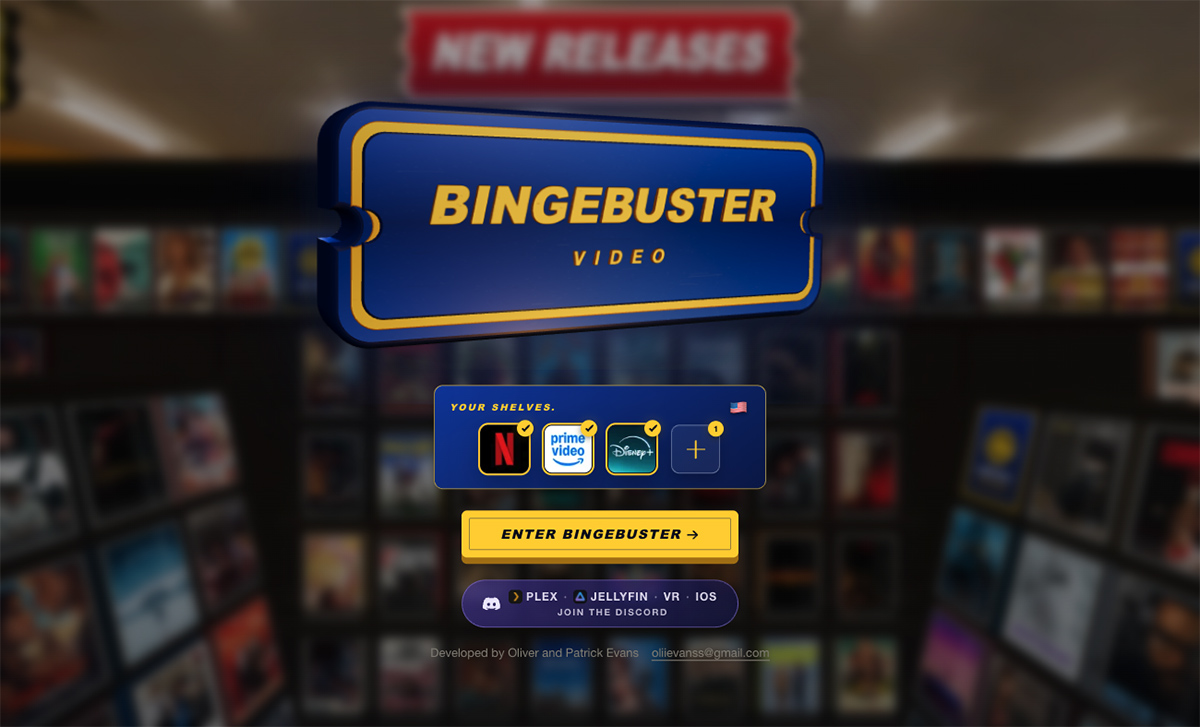
There are many that will not remember the wonders of the video store. Aimlessly walking up and down aisles staring at box art, mindlessly reading synopsis and trying to figure out what to rent. Some generations will only have such an experience aimlessly browsing swimlanes of cover art and autoplaying trailers. A vast difference in generations!
Well, with Bingebuster you can bridge the gap. Enter the "Store" and find all that Netflix, HBO, Prime, and other streamers offer... arranged as digital shelves. Pick them up, turn them offer, gaze into the abyss.
Jokes aside, it's a clever way to browse through film art and I really appreciate the lack of auto-playing trailers. Also, this reminds me of the heyday of Flash websites - immersive and often ridiculous.
Link via Josh / CreativeWorks
Well, with Bingebuster you can bridge the gap. Enter the "Store" and find all that Netflix, HBO, Prime, and other streamers offer... arranged as digital shelves. Pick them up, turn them offer, gaze into the abyss.
Jokes aside, it's a clever way to browse through film art and I really appreciate the lack of auto-playing trailers. Also, this reminds me of the heyday of Flash websites - immersive and often ridiculous.
Link via Josh / CreativeWorks
Fun fact: my brother runs a site called Virtual Boxwell. It's a website and an Instagram account all about the history of Boxwell Reservation, a Boy Scout camp located here in Middle Tennessee. He's also written a book about the history of scouting in Middle Tennessee.
If that sounds like niche content, it is! But there are a lot of people involved with Scouting in Tennessee over the last 100 years so it's not that niche. Lots of people were involved with the program, attended camp, or maybe even worked in the Professional realm of Scouts. It's an undertaking that reaches out through a lot of tendrils.
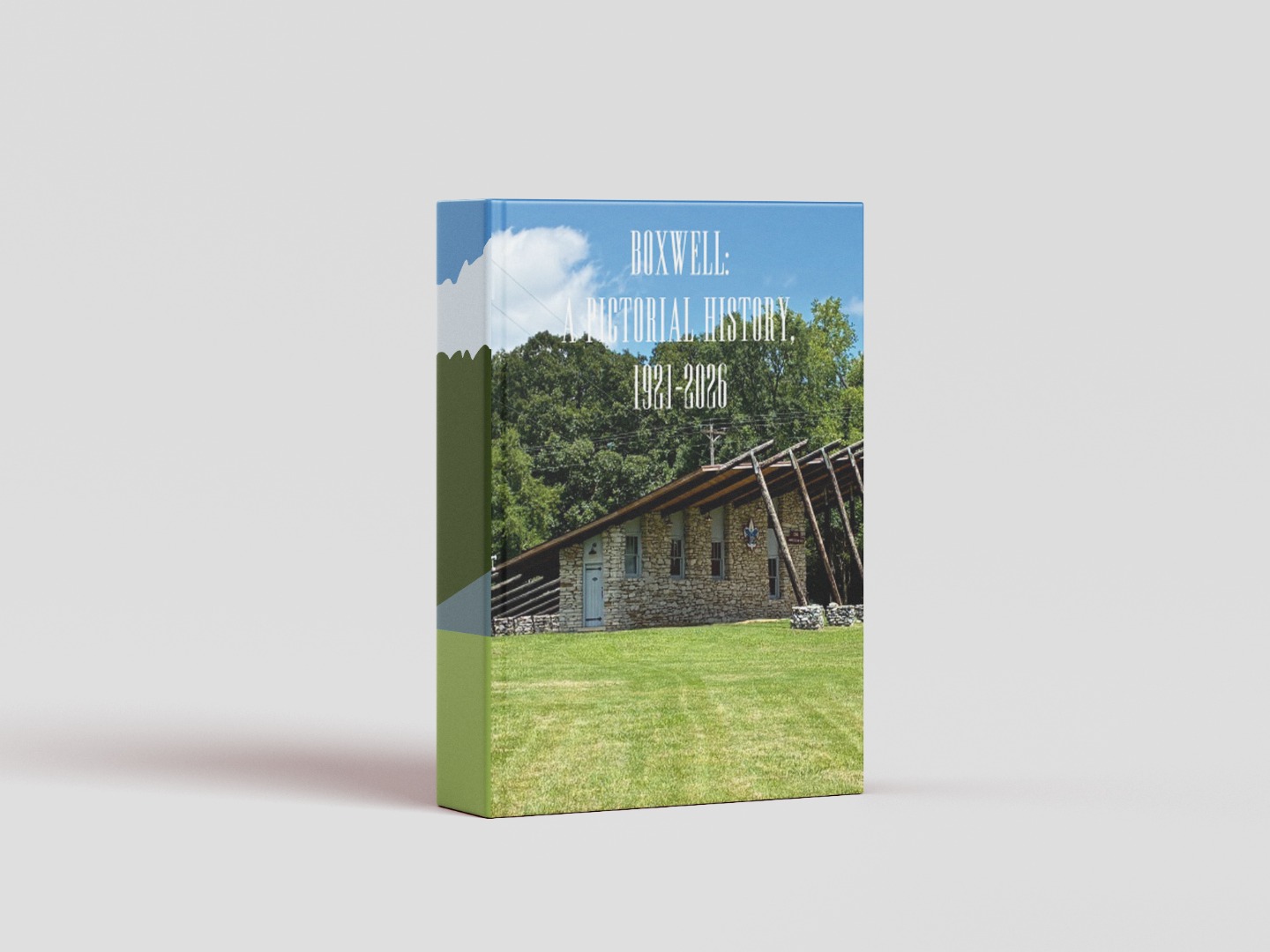
To celebrate 25 years of running Virtual Boxwell, he's created a variety of photo books called Boxwell: A Pictorial History. It comes in various flavors; paperbacks, ebook, and a massive hardcover version. The variants depict different eras of the camp (and offer different price points, depending on how invested you are). I got to see a prototype of it and it looked fantastic!
I ordered my copy and think you may enjoy doing so as well. It is niche content but it's good niche.
the spine in that mockup is a doodle of mine! The real version will be an actual spine. :)
If that sounds like niche content, it is! But there are a lot of people involved with Scouting in Tennessee over the last 100 years so it's not that niche. Lots of people were involved with the program, attended camp, or maybe even worked in the Professional realm of Scouts. It's an undertaking that reaches out through a lot of tendrils.
To celebrate 25 years of running Virtual Boxwell, he's created a variety of photo books called Boxwell: A Pictorial History. It comes in various flavors; paperbacks, ebook, and a massive hardcover version. The variants depict different eras of the camp (and offer different price points, depending on how invested you are). I got to see a prototype of it and it looked fantastic!
I ordered my copy and think you may enjoy doing so as well. It is niche content but it's good niche.
the spine in that mockup is a doodle of mine! The real version will be an actual spine. :)
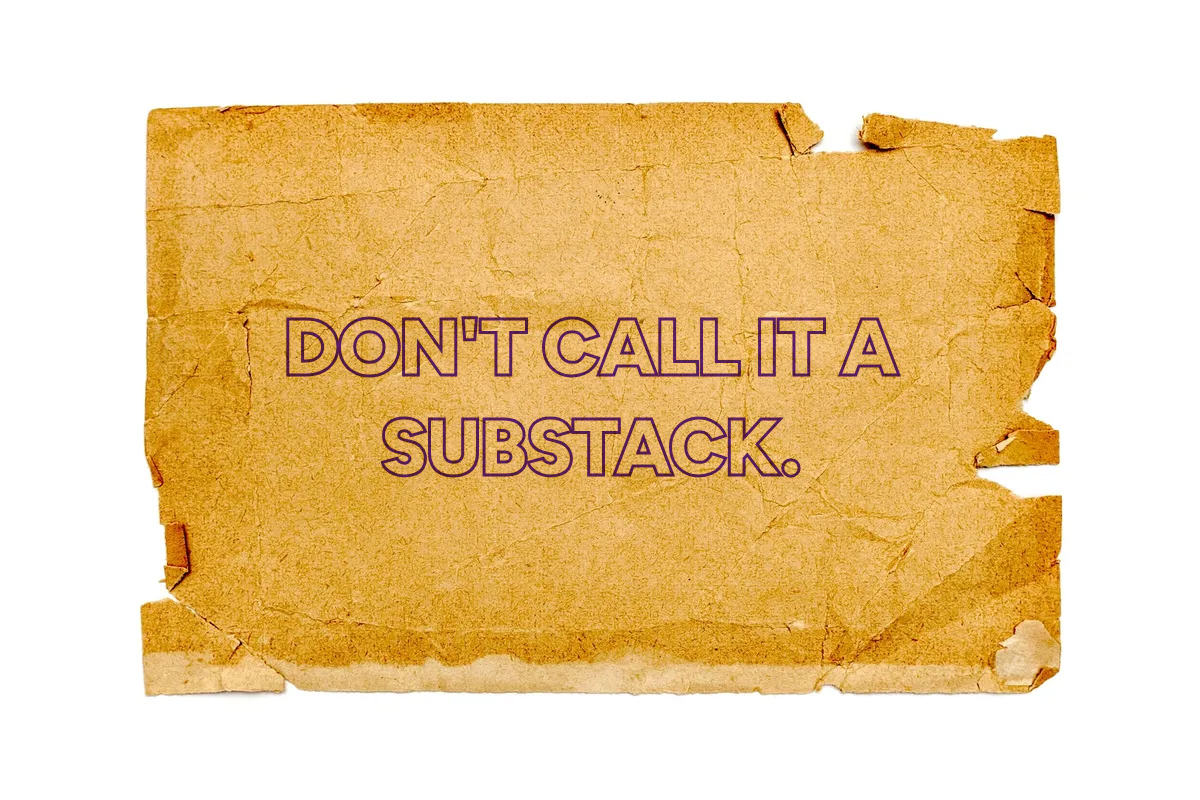
Back in 2024, Anil Dash published Don't Call it a Substack - an informative post about Substack's problematic history and foundations. This sums it up nicely:
Dash's post points to some alternatives but I will provide you with an updated list for 2026 - Finding a budget-conscious Substack alternative. Not only are these in the list budget-conscious, they aren't looking the other way when it comes to Nazi's (that I know of). TLDR: look at Buttondown and Email Octopus.
I am sure there is a bit of fatigue when it comes to thinking about what is a "Good" platform. Meta is a nightmare company but I still use Instagram. I left Spotify because of unfair artist treatment but I use YouTube Music instead... is Google really a "good" company? I left Twitter when Elon took over and, well, I do feel good about that one. Substack feels like a benign example when compared to the worst offenders but I bring this up just so you are aware. It's worth considering going elsewhere.
Substack is, just as a reminder, a political project made by extremists with a goal of normalizing a radical, hateful agenda by co-opting well-intentioned creators' work in service of cross-promoting attacks on the vulnerable.That may sound like an extreme review but the receipts are in the post. It's well noted on Wikipedia too, Substack allows Nazi content "because attempting to censor them would make the problem worse." Great, right? /s
Dash's post points to some alternatives but I will provide you with an updated list for 2026 - Finding a budget-conscious Substack alternative. Not only are these in the list budget-conscious, they aren't looking the other way when it comes to Nazi's (that I know of). TLDR: look at Buttondown and Email Octopus.
I am sure there is a bit of fatigue when it comes to thinking about what is a "Good" platform. Meta is a nightmare company but I still use Instagram. I left Spotify because of unfair artist treatment but I use YouTube Music instead... is Google really a "good" company? I left Twitter when Elon took over and, well, I do feel good about that one. Substack feels like a benign example when compared to the worst offenders but I bring this up just so you are aware. It's worth considering going elsewhere.
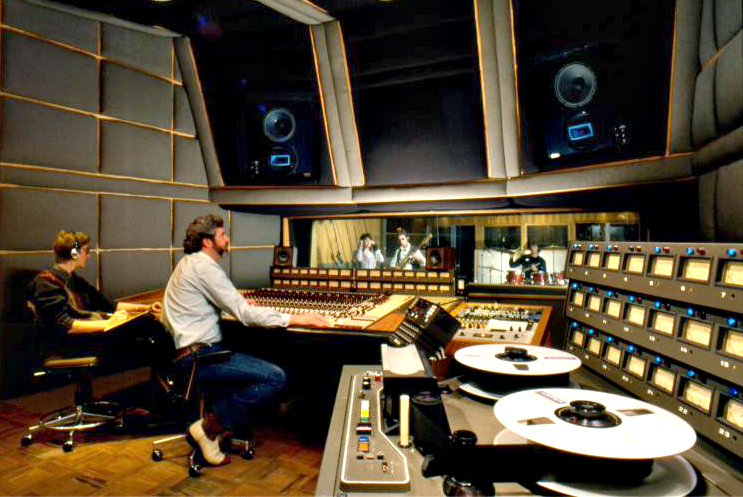
Unrelated: the above studio is the primary image when you look up Music industry on Wikipedia. I find it quite amusing for whatever reason
A few readings for those of you that are interested in thinking about music and how anyone makes a living (modest or otherwise) in these modern times.
A few readings for those of you that are interested in thinking about music and how anyone makes a living (modest or otherwise) in these modern times.
- A Modest Proposal - if you aren't subscribed to Damon Krukowski, you should be. This piece touches on the state of streaming music, how generative AI is flooding the zone, and how the payment models in place make it even harder for a human to get paid. It's not all doom and gloom tho; there's some great proposed solutions and legislation that could provide a path forward. Do read.
- Ratio.fm - I've been researching a deep dive on "Alternative Music Platforms" and Ratio recently came into my radar. They function like Bandcamp in that artists / labels sign up and upload their music. They function like Spotify in that you (the listener) pay a monthly fee to listen to whatever you like. They function like (almost) no one else in that they pay the artists that you listen to and only the artists you listen to (after a small platform fee). No clue how long this has been around but I am very intrigued and starting to upload my YK catalog.
- Juniper Streaming - similarly, there's a guy in Nashville launching a service called Juniper that looks to do something similar. It's not live yet, so it's unclear how it will all shake out but it's one to keep an eye on. If nothing else, read the Scene's coverage. I gotta be honest tho, I don't think I trust anyone named "Eagle Johnson" - the founder already has a hill to climb with that one!
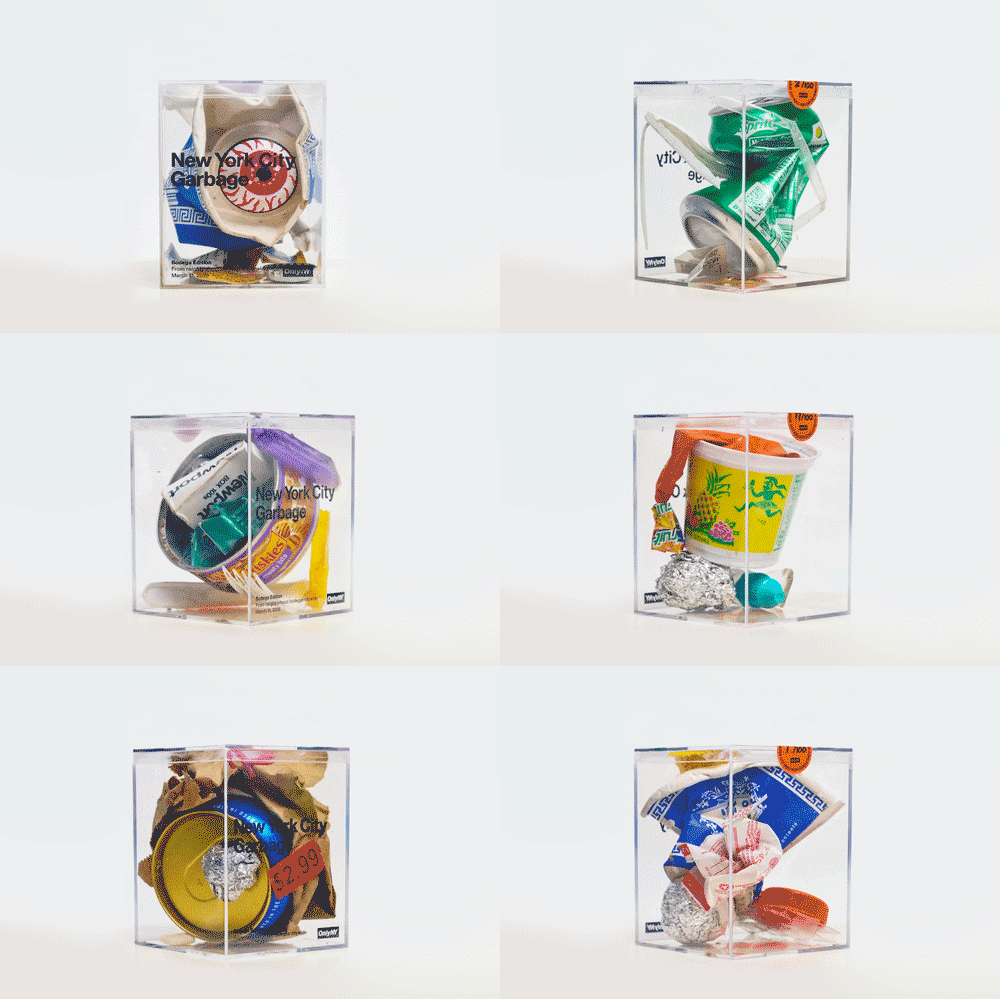
Justin Gignac is a trash collector. NYC trash specifically. He picks it up, curates it into a little cube and offers it up as high end art. Or low brow art. Or something in between.
He got a little extra bump of notoriety recently when he collected trash from outside the Taylor Swift wedding. There's something extra amusing about the idea of wanting to buy garbage from an event you were not invited to, did not attend and will never have any involvement with. Truly a new level of parasocial relationship.
Truthfully tho, I find the project pretty enjoyable. Look at this promo of trash cubes - they're very well curated. And they're just garbage! It's stupid but it's also fun. And if you squint real hard, there's some commentary to be seen around consumerism, brands and the way we interact with it all.
He got a little extra bump of notoriety recently when he collected trash from outside the Taylor Swift wedding. There's something extra amusing about the idea of wanting to buy garbage from an event you were not invited to, did not attend and will never have any involvement with. Truly a new level of parasocial relationship.
Truthfully tho, I find the project pretty enjoyable. Look at this promo of trash cubes - they're very well curated. And they're just garbage! It's stupid but it's also fun. And if you squint real hard, there's some commentary to be seen around consumerism, brands and the way we interact with it all.
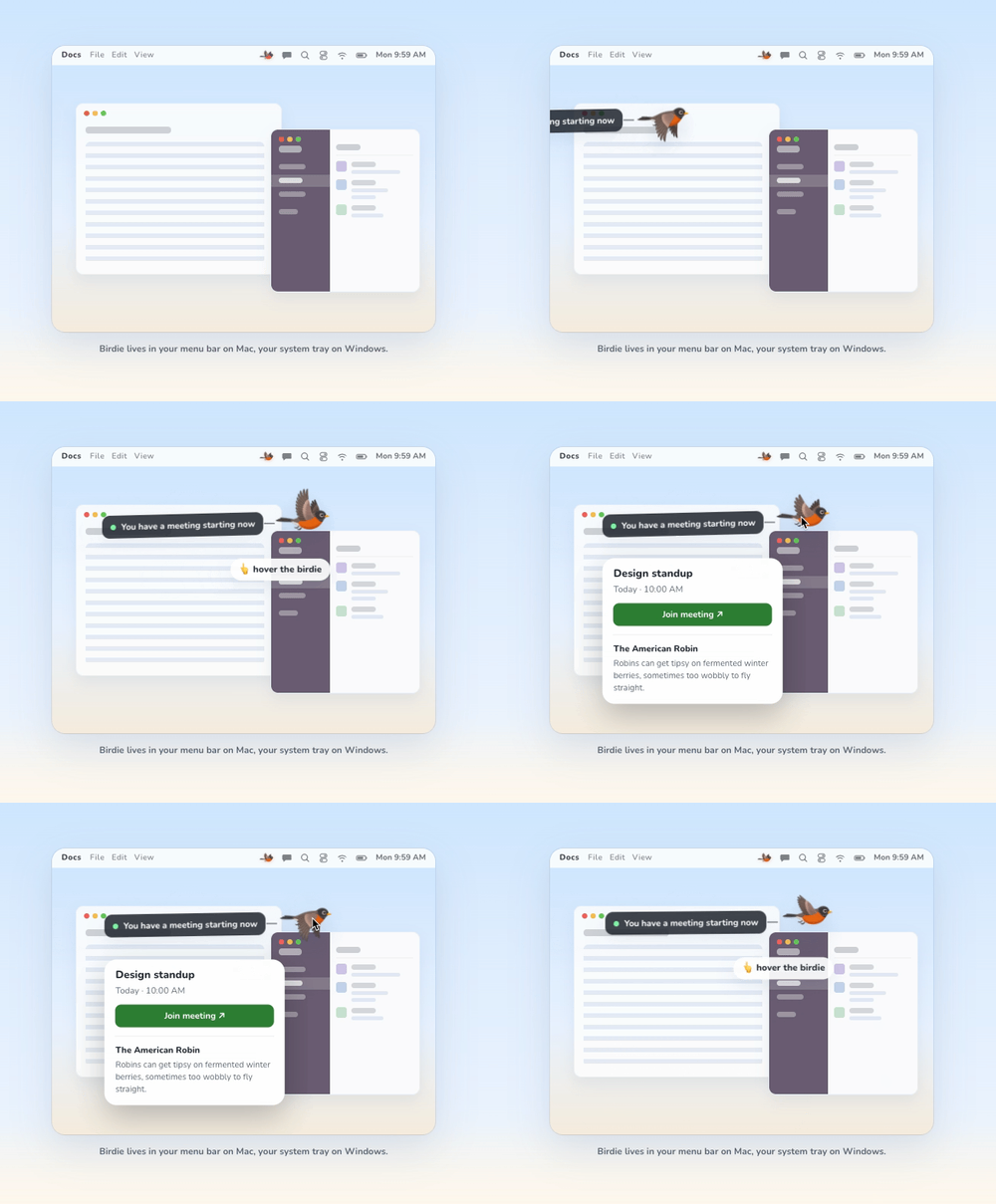
Similar to Pokey, this little messenger Birdie is a whimsical little addition to your desktop. The idea of having a bird fly across your screen for a meeting notification is plenty whimsical but the developer took it one step further and made it so sometimes you get an ultra-rare bird flying by. A Bird-of-paradise. So, it's pulling double duty as a meeting notification and a digital birdwatching app. Gotta catch em all.
This Obsessed interview with Dan Harmon is high on my list to finish in its entirety. It covers a lot of ground; including the controversy with Rick & Morty creator Justin Roiland, the tumultuous Chevy Chase relationship and plenty of positive anecdotes too (the Hugh Jackman one that kicks it off is quite enjoyable).
I used to listen to the Harmontown podcast very regularly and helped distribute the movie when I was at VHX. He made legitimately inexcusable decisions and that sucks, full stop. He owns that too.
I know a lot of people lament the show going away but I am heartened to see that he seems like less of a disaster now.
I used to listen to the Harmontown podcast very regularly and helped distribute the movie when I was at VHX. He made legitimately inexcusable decisions and that sucks, full stop. He owns that too.
I know a lot of people lament the show going away but I am heartened to see that he seems like less of a disaster now.
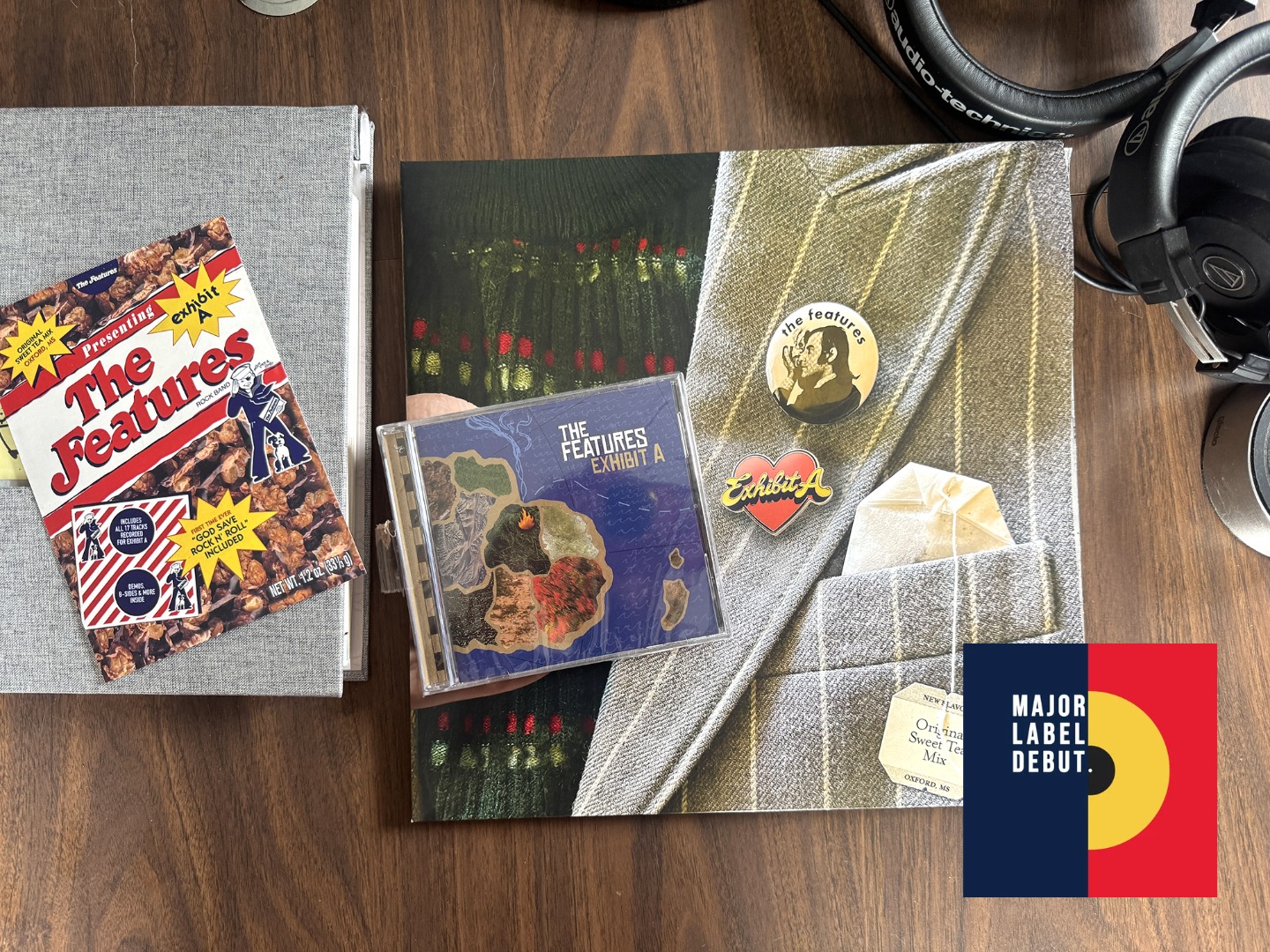
I've mentioned the podcast Major Label Debut many times. I was even a guest one time! That is to say, I hope you know of the show and are already subscribed. If not, here's more fodder to draw you in!
The show's premise is - talk to artists that signed to a major label and see what their experience was like. For me, there's no better candidate for such a conversation than The Features. I first heard them in 1997 and was an instant fan. Their live shows were incredible and I loved their self-titled EP, their 10" single for "Thursday" and the follow-up EP called The Beginning. I always wondered why there was never an album from them,* so I was quite excited to find out in the early aughts they would be releasing their major label debut with Universal Records... Exhibit A.
The album was released in 2004. The band released videos, got played on MTV, toured heavily and then was abruptly dropped by the label in the lead up to the second album because they did not want to record a Beatles cover for a bank commercial.
The band went on after their major label experience to make many more great albums with smaller independent outlets and seem to have come out the other side all the better for it but I am sure it had its hardships. But I don't have to guess about that because Major Label Debut talks to Rollum Haas, drummer for The Features, all about all of the above. His attitude about the whole thing is strikingly positive - not something you'd expect given all of the above but that's what makes the conversation so compelling!
So, yea, give the episode a listen and make sure you're subscribed to the show in some capacity!
* Later on I would find out that the band did record two full-length albums. One became The Mahaffey Sessions 1999 and the other is still only floating around in bootleg form. I hope to fix that one day!
The album was released in 2004. The band released videos, got played on MTV, toured heavily and then was abruptly dropped by the label in the lead up to the second album because they did not want to record a Beatles cover for a bank commercial.
The band went on after their major label experience to make many more great albums with smaller independent outlets and seem to have come out the other side all the better for it but I am sure it had its hardships. But I don't have to guess about that because Major Label Debut talks to Rollum Haas, drummer for The Features, all about all of the above. His attitude about the whole thing is strikingly positive - not something you'd expect given all of the above but that's what makes the conversation so compelling!
So, yea, give the episode a listen and make sure you're subscribed to the show in some capacity!
* Later on I would find out that the band did record two full-length albums. One became The Mahaffey Sessions 1999 and the other is still only floating around in bootleg form. I hope to fix that one day!